Home renovation used to change with every social media trend. Walls went from grey to green and back to white before the paint even dried.
Now, UK homeowners are stepping away from that pattern. They want living spaces to feel personal and cheaper to maintain.
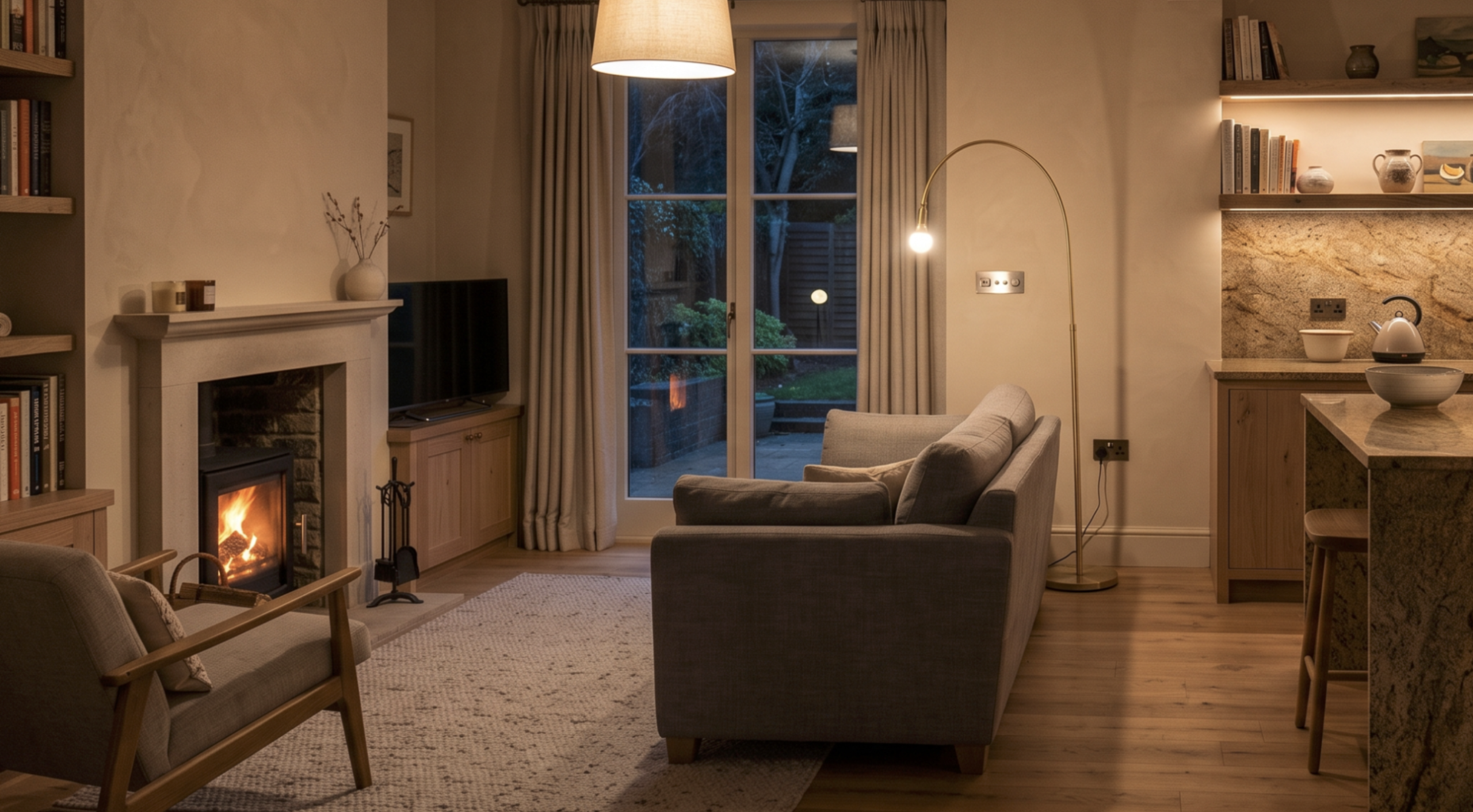
Sustainable renovation means planning a home that lasts for years, not just following trends. Given rising energy costs and material waste, thoughtful planning is always the smart decision.
This is important because renovation decisions impact household bills and comfort for decades. A well-planned project saves money and builds a home that feels stable rather than rushed.
At S Davis Design, we help you experience the ideal combination of functionality in your spaces, crafted by our expert team in the UK.
Why Homeowners Are Slowing Down
Homeowners are taking longer to plan renovations than they did five years ago. Quick decisions can lead to costly mistakes. For example, ripping out a trendy kitchen after 3 years is a lesson that costs money rather than saving it.
According to the UK Green Building Council, the built environment contributes around 25% of the UK’s total greenhouse gas emissions. This has encouraged many people to think carefully about what they buy, knock down, and replace.
This shift seems to be generational. Younger buyers often ask about insulation, glazing, and the sources of materials before they consider paint colours. Older UK homeowners prefer to have fewer renovations.
Choosing Sustainable Renovation Materials for Longevity
Choosing the right materials is important for any sustainable project. Reclaimed timber, recycled tiles, and restored cast iron radiators add a warmth that new fittings often lack.
Solid wood floors last longer than laminate ones. Natural stone countertops resist daily wear and tear and do not easily get damaged. Wool carpets feel soft and last twice as long as synthetic carpets, which often seem cheaper in the long run.
Low-VOC paints reduce indoor air pollution and protect air quality, making homes safer for children and pets.
To choose eco-friendly options for any room, take a look at this guide on top sustainable building materials.
Cut Heating Bills With Smart Planning
Building energy efficiency into your home is easier and cheaper than adding it later. For example, it costs much less to include loft insulation during a roof upgrade than to do it afterward. The same applies to features like underfloor heating, smart thermostats, and triple glazing.
The Energy Saving Trust reports a typical semi-detached UK home loses around a third (33%) of its heat through the walls. Fixing this during renovations can lower your energy bills for many years.
Additionally, using LED lighting, low-flow taps, and zoned heating makes a significant difference. These changes make sense and don’t feel like sacrifices.
Managing Waste and Skip Hire Before Demolition Starts
One area several homeowners still overlook during sustainable renovations is waste planning. From traditional flooring and kitchen units to broken fixtures and packaging, renovation projects can generate far more waste than expected.
Planning disposal solutions early with companies like ProSkips can help homeowners keep projects organised while reducing unnecessary dumping and delays during the renovation process.
When your site is clean, your project runs much smoother. Workers can move safely, speeding up the full renovation. Timely skip deliveries mean no frustrating delays. Plus, a tidy construction area keeps your neighbours happy and friendly.
Common Mistakes Worth Avoiding
Even careful homeowners can make planning mistakes. Most of these mistakes can be fixed by using a planning notebook and spending an extra week thinking before making any purchases.
Mistake 1: Skipping Structural Checks
Removing walls without checking their importance can lead to big problems. Taking out a support wall can turn your dream extension into a costly repair.
Mistake 2: Rushing Material Orders
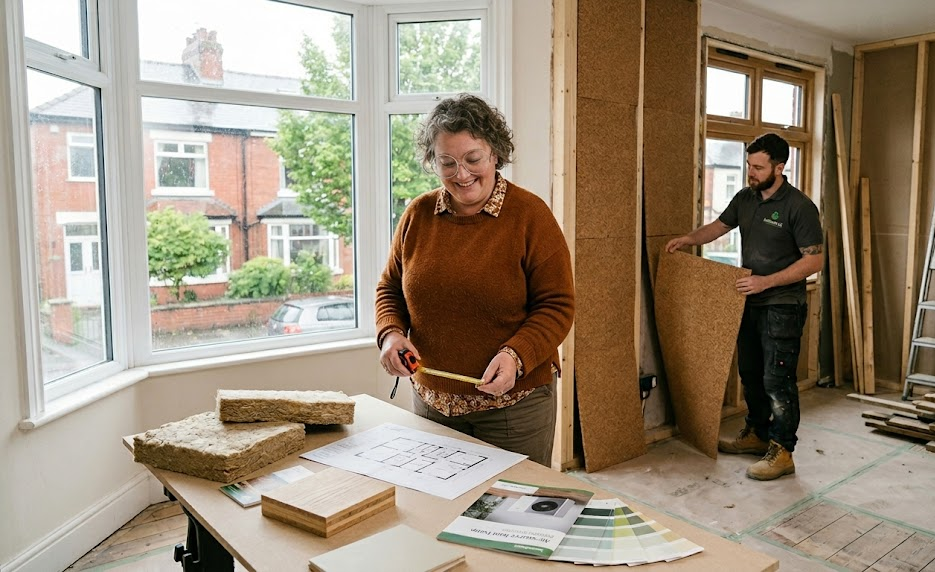
Measuring your space before ordering tiles, flooring, or worktops is crucial. If you do not measure twice, you could waste money. Remember, returns often do not give you a full refund.
Mistake 3: Forgetting Small Details
When planning, it is important to focus on kitchen storage, socket placement, and even delivery timings. Overlooking these details can lead to daily frustrations later.
Mistake 4: No Room for Hidden Renovation Costs
Budgets can fail if you overlook the less exciting costs. Costs like skip hire, scaffolding, and surveys can add up quickly, often exceeding the cost of tiles or taps.
Set aside 15-20% of your budget for unexpected issues. Older UK properties often have hidden problems behind walls. Dampness, faulty wiring, or rotten joists usually are not revealed until it’s too late.
Mistake 5: Chasing Trends Over Function
Trendy designs can quickly become a budget problem. A classic oak kitchen lasts well over time, while a bright pink one looks outdated faster.
For a visual representation, check this guide that highlights the reality of home design features that fail over time.
Conclusion
Sustainable renovation is a mindset. Careful planning, better materials, and smart waste management create homes that feel comfortable for years, not just months. Ready to renovate with purpose, character, and lasting style? Get in touch with us at S Davis Design and start planning a space built to last.